
Quality Standards
Signs Your Apparel Quality Control Process Misses Drift
At QualityIris, we define quality drift as a gradual decline in garment quality caused by changing operators, fabric lots, machine settings, or unclear work ...
4 min read

Stay ahead in apparel manufacturing. Our blog covers AI analysis in QC, digitizing final audits, and streamlining your inspection management system.
At QualityIris, we define quality drift as a gradual decline in garment quality caused by changing operators, fabric lots, machine settings, or unclear work ...
# Charge for Creation, Not Access
Quality control software should help you find problems while production is still moving, not when cartons are ready to ship. Final AQL results often reflect ...
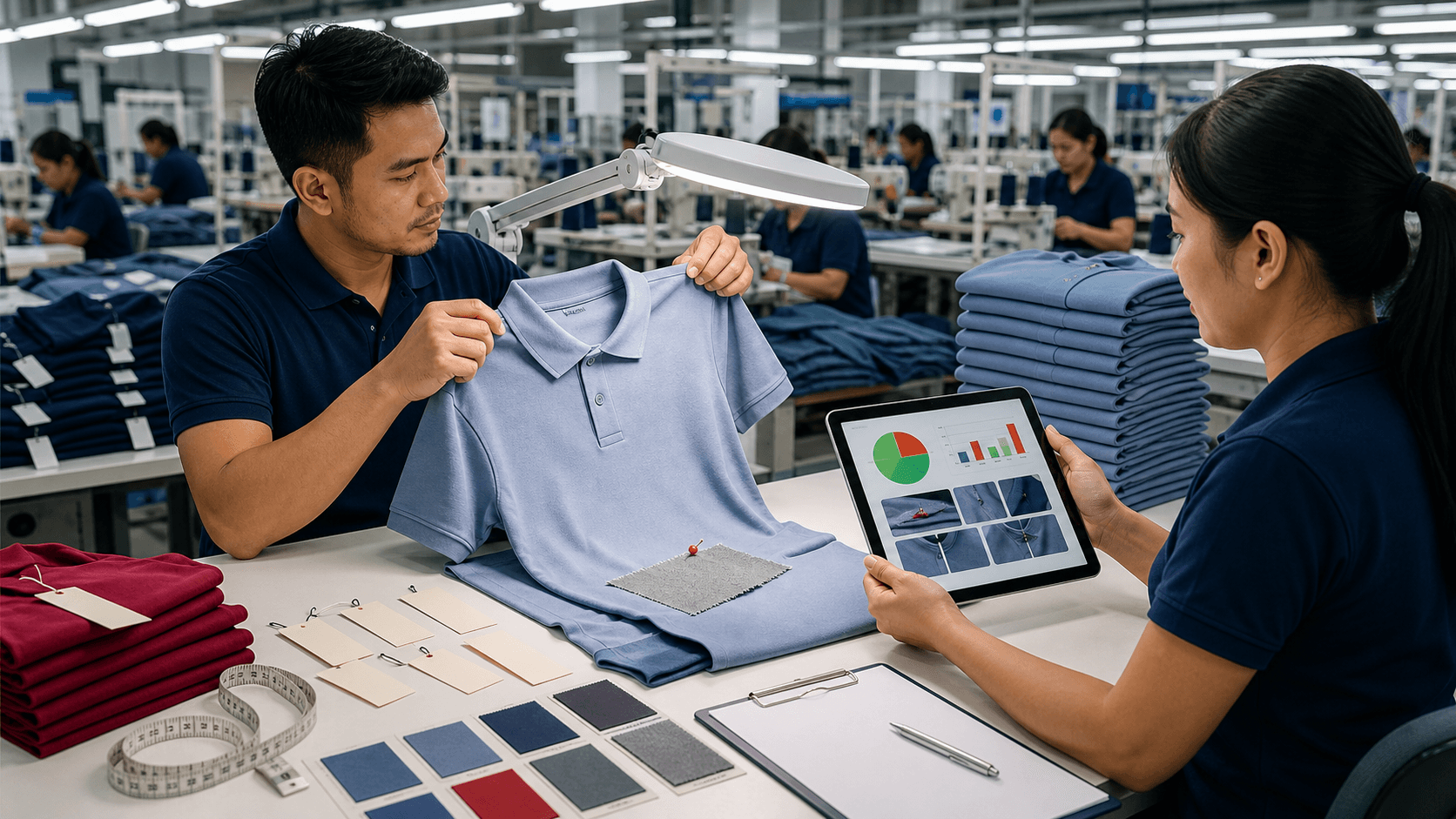
An ISO 2859-1 final audit approves a lot based on the units sampled. It does not prove the underlying process is stable, and it does not stop the same defect...

Inline garment measurement tracking compares production measurements with approved specs throughout the order and calculates the percentage of measured point...

Peak-season calendars are tight. Holiday, back-to-school, and capsule drops leave almost no room for trial-and-error with new factories or untested lines.

How the clause 9.3 switching rules work — and what staying on Normal actually costs.

A strong apparel quality dashboard should tell your team exactly what to do next and by when. Long inspection reports and large spreadsheets are useless if s...

Most apparel quality teams live in Excel. It works on slow weeks with a few POs and light inbox traffic. During peak seasons, when factories run late and ins...
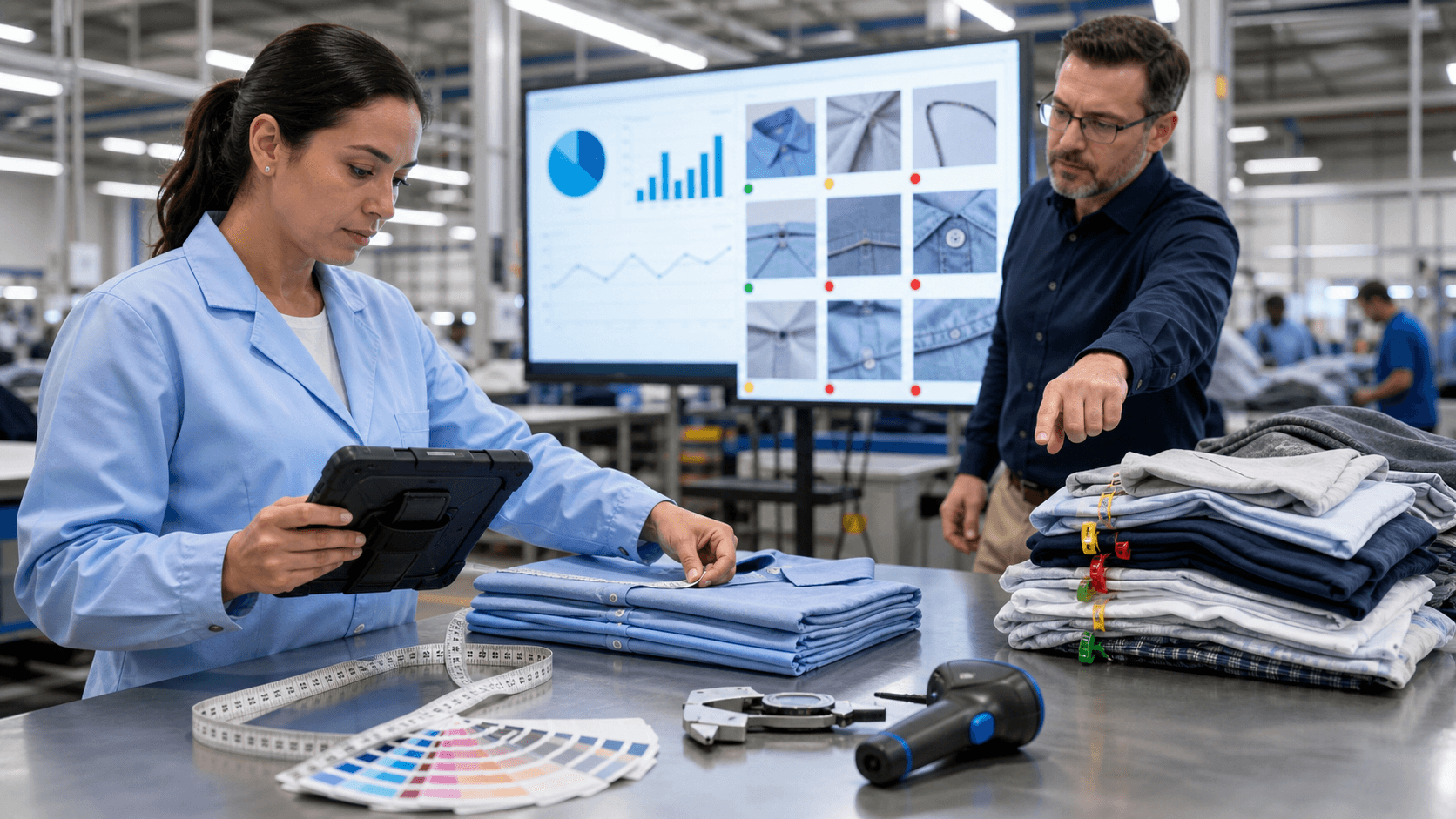
Late quality problems hurt most during peak seasons. Holiday, back-to-school, and big drops leave almost no room for surprise defects, chargebacks, or cancel...
Every third-party inspection an importer commissions buys the same thing: one lot, one random sample, one pass/fail decision — sampled per ANSI/ASQ Z1.4 or I...

Quality problems start on a hot production floor where your inspector is staring at a dead Wi-Fi icon. Apparel factories, often remote, metal-heavy buildings...