TLDR; Measurement Tracking Finds Drift Before Final Audits
Inline garment measurement tracking compares production measurements with approved specs throughout the order and calculates the percentage of measured points that are out of tolerance. The out-of-tolerance limit is configurable according to the fit accuracy required for the garment being inspected, giving your team an earlier view of tolerance drift before the full lot is finished.
- Inline checks show the percentage of measured points that are out of tolerance during production.
- ISO 2859-1 final audits confirm whether a finished lot meets its sampling plan.
- Digital records connect measurements, defect evidence, and corrective actions.
When those records sit in one inspection workflow, we can help you see recurring issues while production is still active, rather than after the shipment is nearly ready to leave.
Garment Measurement Tracking Vs Final Audits: Find Drift Earlier
Garment measurement tracking helps you find fit and spec drift while there is still time to correct it. As fall and holiday delivery periods approach, late quality failures can squeeze shipment windows, add rework, and create avoidable pressure across factories and orders.
At QualityIris, we see final audits as an important release check, not the first warning sign. Continuous measurement data shows the percentage of measured points that are out of tolerance and where performance started to move away from the approved specification, across lines, sizes, factories, and purchase orders.
Final Audits Confirm Risk After Production Is Nearly Done
An ISO 2859-1 final audit uses a defined sample size and acceptance threshold to assess a completed lot before shipment. Auditors can identify critical, major, and minor defects, along with measurement failures found in the sampled garments.
That makes the audit a clear release decision. Still, it is a sample result at the end of the process, not a continuous record of how measurements performed from the first production checks onward.
If an order fails near completion, your team may need to sort goods, repair garments, re-inspect the lot, hold shipment, or adjust the ex-factory date. We recommend treating final audit findings as both a shipment decision and feedback for stronger controls on the next order.
Garment Measurement Tracking Exposes Drift as It Starts
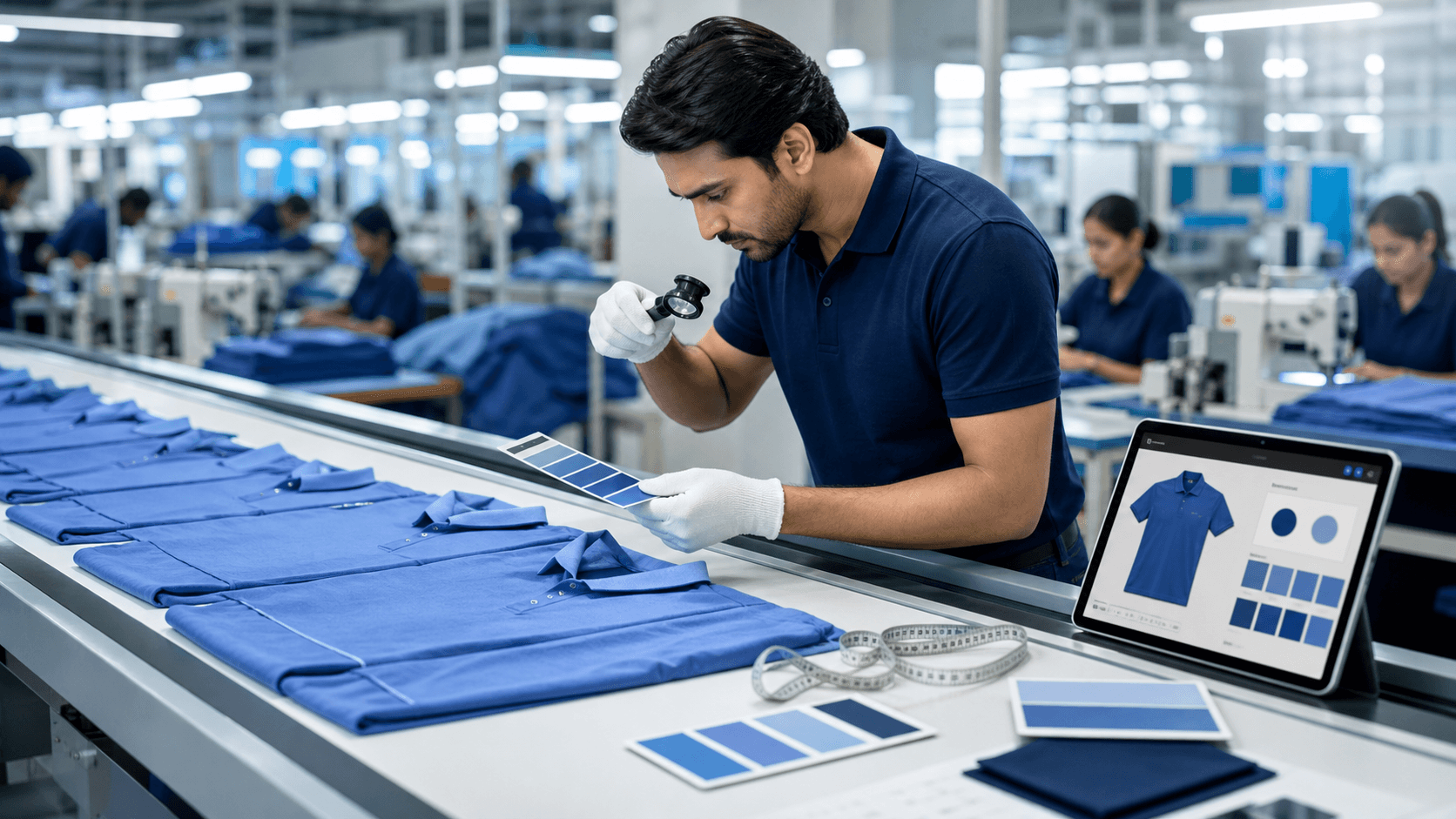
Garment measurement tracking means repeatedly recording key points of measure during inline inspections. Depending on the style, these may include chest width, body length, inseam, sleeve length, waistband, and leg opening.
QualityIris calculates the percentage of measured points that are out of tolerance. This configurable out-of-tolerance limit reflects the fit accuracy required for the garment, while the garment specification tolerances determine whether each individual point of measure passes or fails.
A single final sample may not show a gradual shift. Digital inline records can make patterns visible, including shrinkage, grading mistakes, operator inconsistency, pattern changes, and variation on one production line.
For example, body length may move closer to the upper tolerance across consecutive checks. Or, one factory may repeatedly produce out-of-tolerance waist measurements in a particular size range. These are signals to investigate before the issue spreads through the order.
Combine Inline Checks with ISO 2859-1 Audit Data
Inline garment checks and ISO 2859-1 final audits do different jobs, and both matter. Inline data helps prevent defects and measurement issues from spreading, while the final audit verifies that the finished shipment meets the agreed acceptance standard.
With QualityIris, we can connect purchase orders, factories, styles, measurement specifications, inspection results, defect photos, and audit outcomes in one digital record. That gives you a clearer quality history for each order.
- Compare drift by factory, style, size, or production period.
- Review defect rates beside measurement results.
- See inspection evidence without chasing spreadsheets or email threads.
- Use final audit outcomes to refine future inline checkpoints.
This connected view helps importers, agent offices, and manufacturers spot repeat patterns across product categories and production locations.
Turn Measurement Evidence Into Faster Corrective Actions
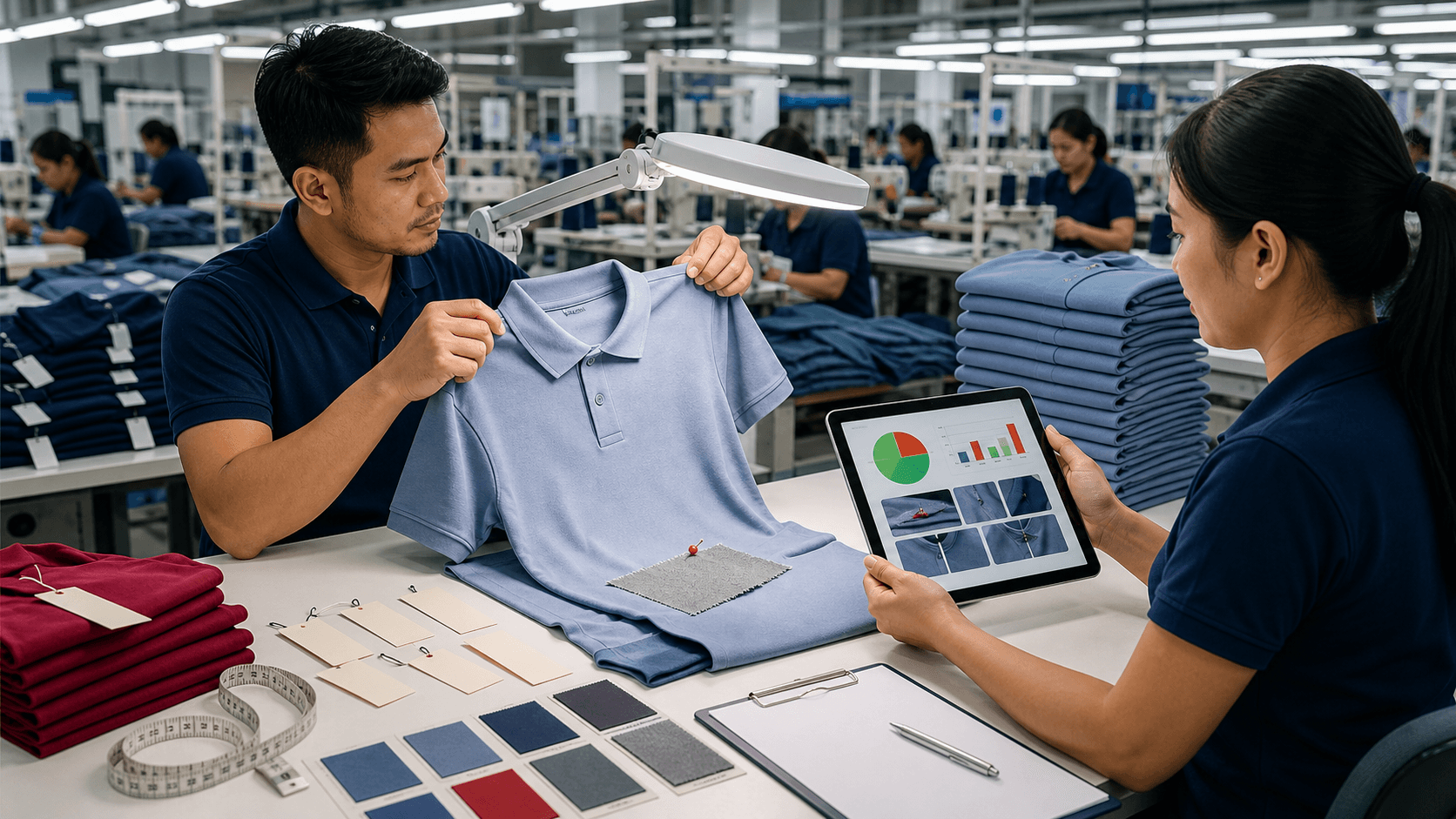
A measurement result becomes more useful when it includes the evidence behind it. We recommend attaching photos, the spec reference and inspection comments to each nonconformance so the next action is clear.
Iris drafts the corrective action plan from the evidence already captured: root cause, action items with a priority, the areas to recheck and a suggested re-inspection date. The inspector reviews, edits and signs it, and the recheck areas are verified at the next inline inspection. The goal is not simply to fix the affected sample. It is to address the source of drift, whether it began in cutting, sewing, pressing, washing, or the measurement method itself.
Build Earlier Measurement Control Into Every Order
Final audits protect shipment decisions, but garment measurement tracking protects the production process before late-stage risk becomes expensive. Standardize inline measurement checkpoints, record defect evidence digitally, and monitor the percentage of measured points that are out of tolerance by factory and style.
Use final audit findings to improve the next production cycle. When measurement data, defect evidence, and corrective actions stay connected, your team can act on drift earlier and keep quality control focused on the source of the problem.
Turn Measurement Data Into Earlier Action
QualityIris helps teams standardize garment measurement tracking alongside inline checks, defect evidence, and AQL final audits. Our digital inspection tools give quality teams a clear record of the percentage of measured points that are out of tolerance and recurring drift by style, size, supplier, and production stage. $69 per active inspector per month (or $690/year). Buyer and factory accounts are free. Start a 14-day free trial, no credit card, and view the interactive demo to support faster corrective actions and more consistent garment quality.